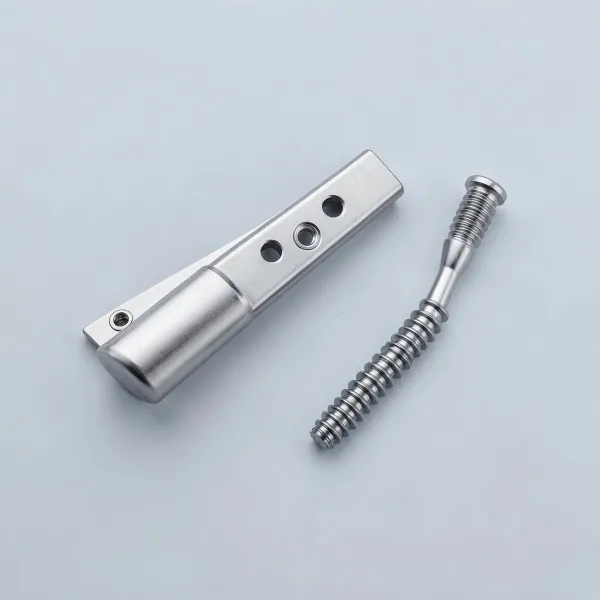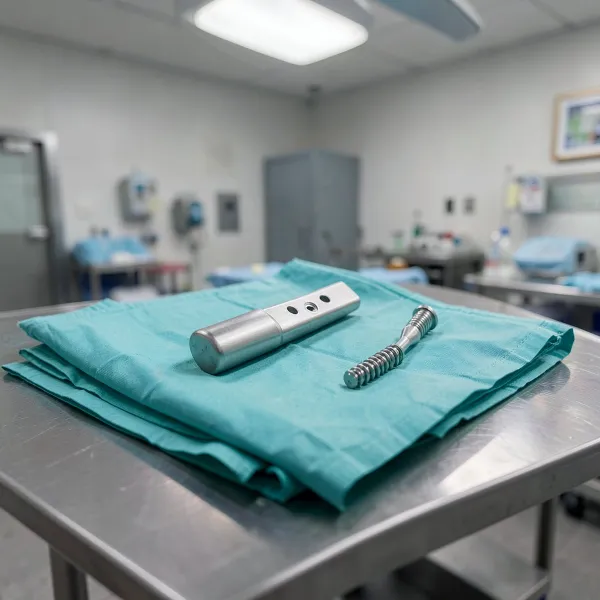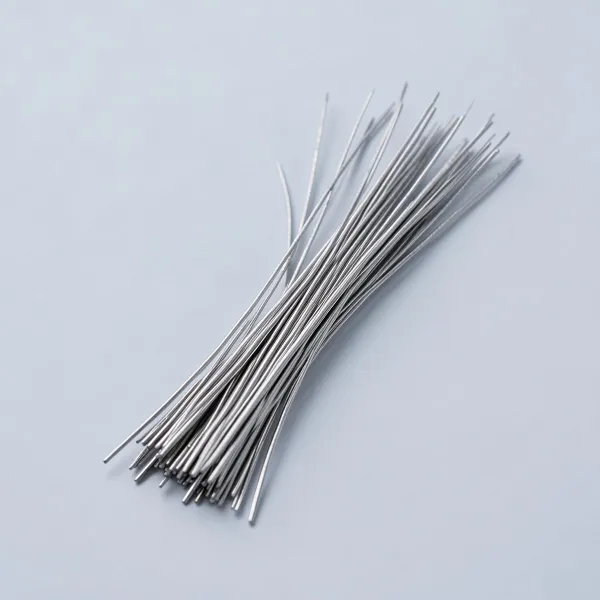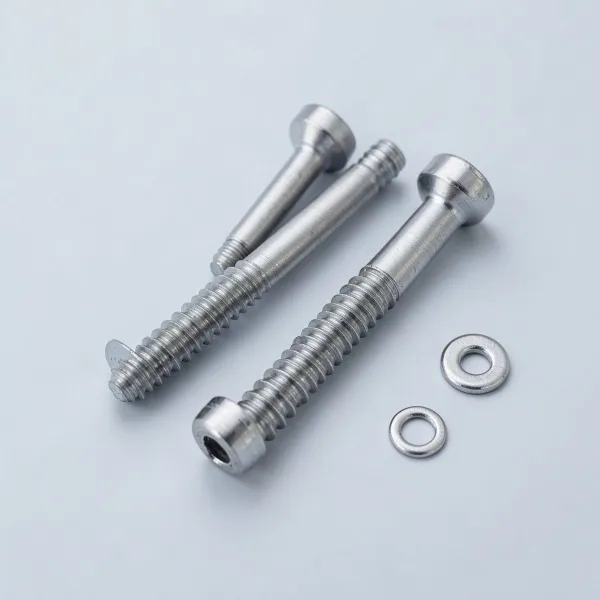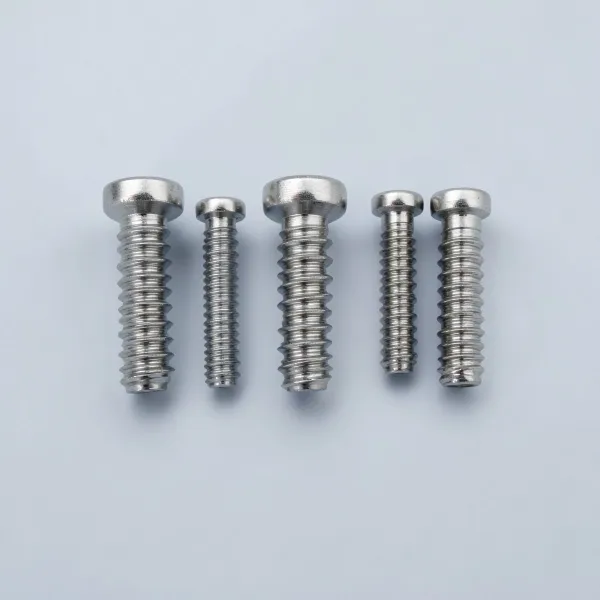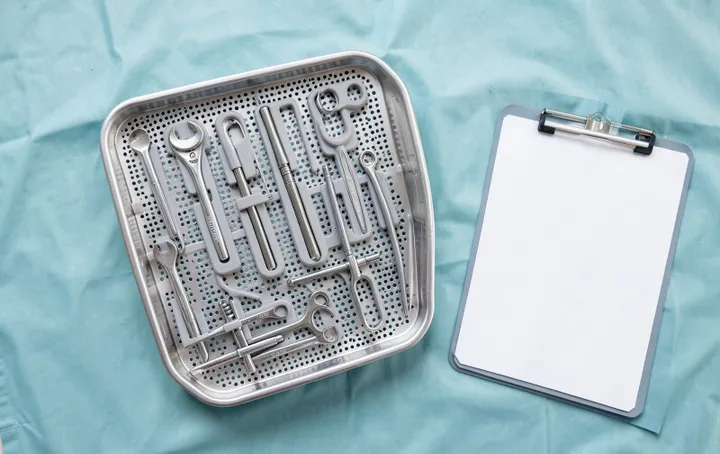
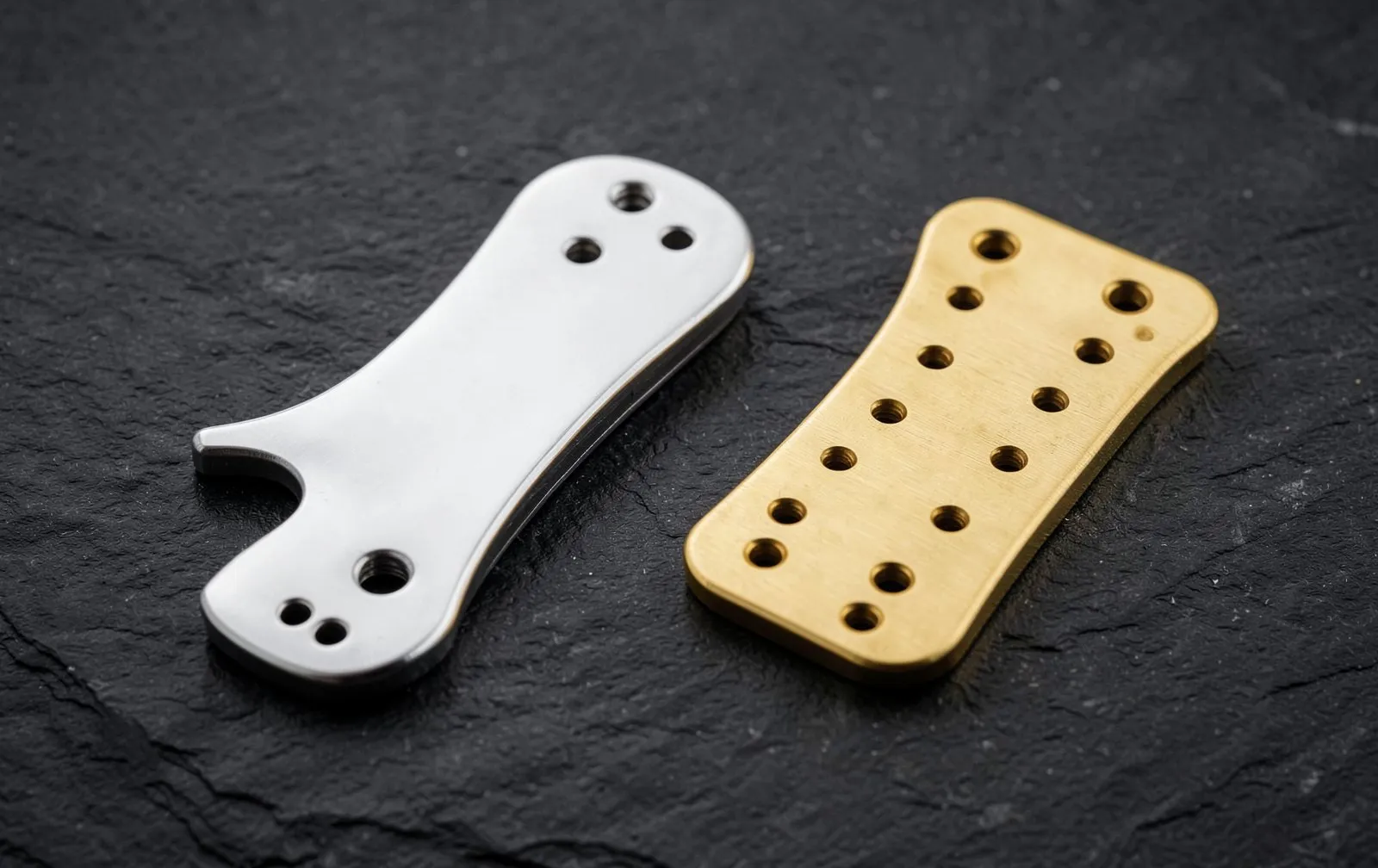
Most trauma implants are made from either surgical stainless steel (commonly 316L) or titanium alloy (commonly Ti-6Al-4V). Both are widely used. The choice for any patient is a clinical decision for the surgeon — this guide covers what matters for purchasing and stocking.
What buyers should know
- Material is always stated. Every N95 implant lists its material in the specifications table.
- Keep systems consistent. Plates and screws used together are normally of the same material — order matching screws with every plate.
- Colour coding. Titanium implants are often colour-anodised (gold, blue, green) to help identify sizes; this is a surface finish.
- Price. Titanium implants usually cost more than comparable stainless steel implants.
Check before ordering
- Material and grade on the product page
- Sterile or non-sterile supply
- Matching screw diameter and drive type
- Size range you need to stock
Compare the range in trauma implants.
This guide covers buying and product information only and is not medical advice. Implant and device selection is a clinical decision for the treating surgeon and team.