
Orthopaedic cases depend on having the right size on the shelf at the right moment. A simple, regular planning routine avoids both shortages and money tied up in rarely used sizes.
1. Start from your case mix
List the procedures your OT performs most often in a typical month — for example forearm plating, hip fractures, tibial nailing — and the implant systems each one uses.
2. Stock size ranges, not single items
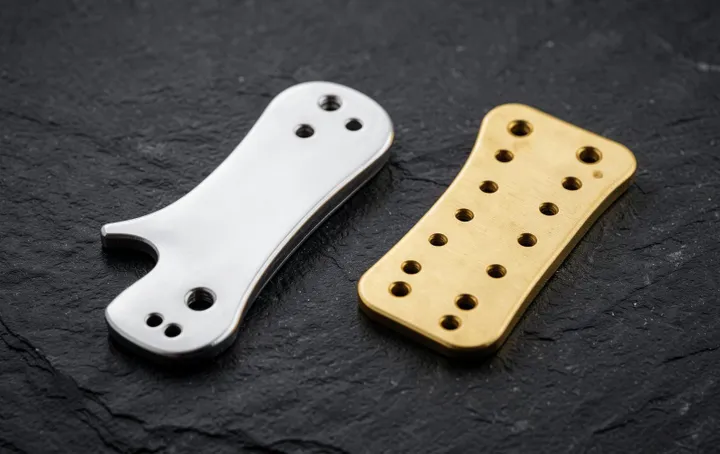
For each system, decide which lengths, hole counts or diameters you need on the shelf and the minimum quantity of each. Screws and wires turn over fastest.
3. Track usage after every case
Record implants used per case. Reviewing usage monthly shows which sizes to increase and which to reduce.
4. Keep instruments in step
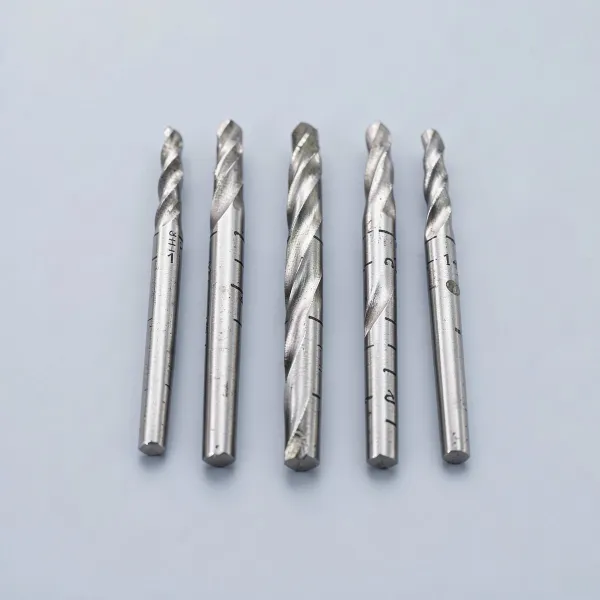
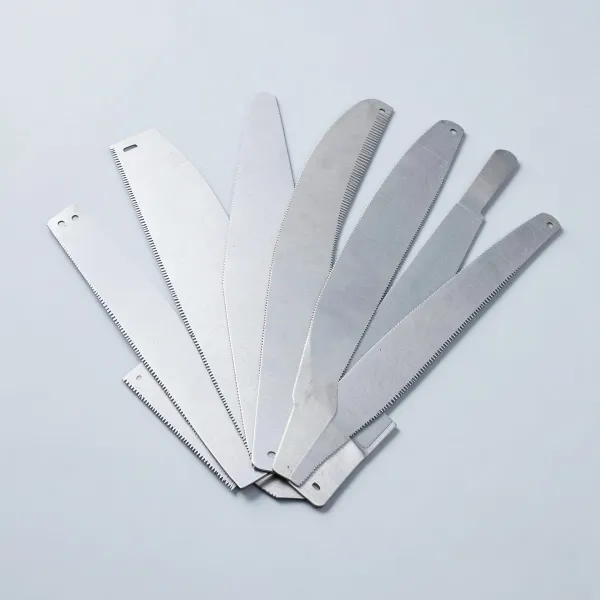
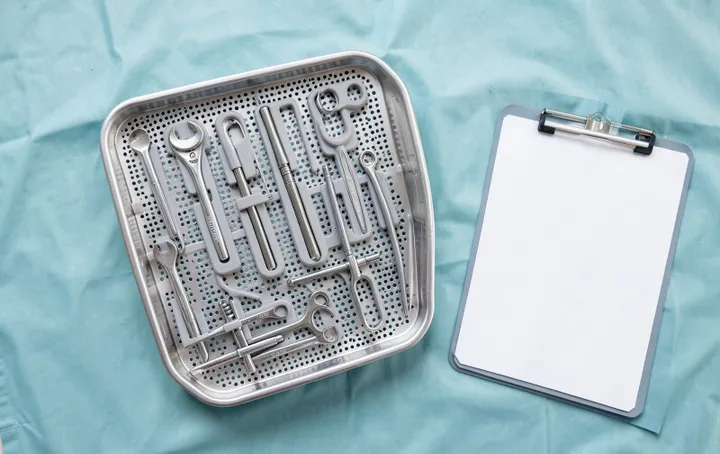
Every implant system needs its instruments, drill bits and wires available and sterilised. Include spare drill bits and saw blades in each order.
5. Set up repeat supply
Agree regular quantities for high-turnover items so stock is replenished before it runs low.
Send your size list through our bulk quote form — one quotation covers the full range.
This guide covers buying and product information only and is not medical advice. Implant and device selection is a clinical decision for the treating surgeon and team.